What To Do With Old Salon Products | Safe Disposal Tips For Skincare And Nail Supplies

Over time, salon and spa products have a way of quietly building up. Soon, you are surrounded by items that are expired, outdated, or no longer safe to use.
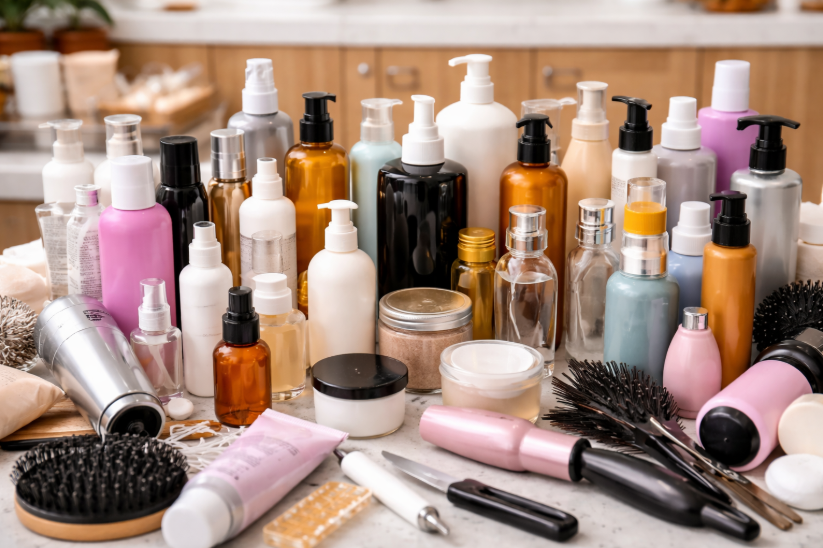
What-to-Do-with-Old-Salon-Products-Safe-Disposal-Tips-for-Skincare-and-Nail-Supplies-Clutter

This is something I’ve been addressing myself—going through stored cases filled with skincare and nail products that have served their time. What started as a simple clean-up quickly became a reminder of how important it is to dispose of these items properly.

Whether you are a salon professional or someone maintaining products at home, safe disposal is not just about making space. It is about protecting your health, maintaining professional standards, and being mindful of the environment.

Let’s begin by identifying the types of products you may be dealing with.


Common Salon and Spa Products That Expire

Skincare Products

Skincare products such as cleansers, serums, moisturizers, and masks typically have a shorter shelf life once opened. Exposure to air and bacteria can cause them to break down more quickly, even if they appear unchanged at first glance.

Nail Care Products

Nail products—including polish, gel polish, acrylic systems, and removers—often last longer than skincare items, but they are not immune to expiration. Over time, they may thicken, separate, or lose effectiveness.

Body and Spa Products

Body scrubs, massage oils, creams, and wraps can become contaminated with repeated use. Natural ingredients in particular may spoil faster if not stored properly.

Chemical-Based Products

Products such as acetone, monomers, and disinfectants fall into a higher-risk category. These items may remain chemically active even when old, making proper handling and disposal especially important.


Signs Your Salon Products Should Be Discarded

Knowing when to let go of a product is key. Look for the following signs:

  • The expiration date has passed
  • There is a noticeable change in smell
  • The color has altered or darkened
  • The texture has thickened, separated, or clumped
  • The product is no longer performing as expected
  • It has been opened and unused for an extended period

When in doubt, it is always safer to discard the product than to risk using it.


Why Proper Disposal Matters

Improper disposal of salon and spa products can lead to several avoidable issues.

From a health perspective, expired or contaminated products can cause skin irritation, infections, or allergic reactions. This is especially critical in professional settings where client safety is a priority.

There are also safety concerns. Many nail and spa products—such as acetone and alcohol-based solutions—are flammable and must be handled with care.

Environmental impact is another important factor. Pouring chemicals down the drain can introduce harmful substances into water systems, affecting both wildlife and water quality.

For professionals, proper disposal also reflects a commitment to high standards. It reinforces trust, responsibility, and attention to detail in your practice.
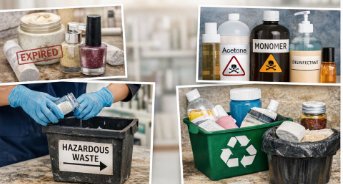

What-to-Do-with-Old-Salon-Products-Safe-Disposal-Tips-for-Skincare-and-Nail-Supplies-Sorting-for-Disposal

How to Safely Dispose of Salon and Spa Products

Check Labels and Instructions

Start by reviewing the product label. Some manufacturers provide specific disposal instructions, particularly for chemical-based products. Following these guidelines ensures you are handling the product as intended.

Sort Products by Type

Before discarding anything, separate your items into categories:

  • Liquids vs. solids
  • Hazardous vs. non-hazardous

This simple step makes the disposal process more organized and safer.

Dispose of Non-Hazardous Items

Items that are generally safe for regular disposal include:

  • Empty containers
  • Fully dried products
  • Paper goods and applicators

Whenever possible, rinse out containers before discarding or recycling them.

Handle Hazardous Products Carefully

Products such as acetone, monomers, chemical peels, and strong disinfectants require extra care.

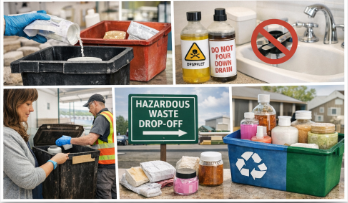
These should never be poured down the sink or toilet, as they can damage plumbing and contaminate water systems. Instead, keep them sealed in their original containers until they can be taken to an appropriate disposal facility.


Where to Dispose of Hazardous Salon Waste

Hazardous salon products should be taken to designated disposal locations. These may include:

  • Local household hazardous waste facilities
  • Community collection events
  • Designated drop-off programs for chemicals

Many areas provide scheduled days for safe disposal, making it easier to handle these items responsibly. A quick check with your local waste management service can point you in the right direction.
What-to-Do-with-Old-Salon-Products-Safe-Disposal-Tips-for-Skincare-and-Nail-Supplies-Disposal


What Can Be Recycled vs Thrown Away

Not everything needs to go into the trash.

  • Recyclable: Clean plastic bottles, glass containers
  • Trash: Pumps, sprayers, and mixed-material packaging
  • Conditionally recyclable: Items that must be thoroughly cleaned before recycling

When recycling, always ensure containers are free from product residue to avoid contamination.


Tips for Preventing Future Product Waste

Once you’ve cleared out old products, a few simple habits can help prevent buildup in the future:

  • Purchase smaller quantities when possible
  • Keep track of expiration dates
  • Use the FIFO method (first in, first out)
  • Store products according to recommended conditions
  • Avoid overstocking beyond your immediate needs

Being intentional with your inventory saves money, space, and effort over time.


Final Thoughts | Clean Space, Clear Mind

Clearing out old salon and spa products is more than a routine task—it is a reset. It creates space not only in your storage areas but also in your workflow and mindset.

As I worked through my own stored items, I was reminded that everything we use in this field carries a level of responsibility. What we keep, what we use, and what we discard all matter.

By approaching disposal with care and intention, you are not only protecting yourself and others—you are reinforcing the standard of excellence that defines your work.

A clean space truly does support a clear mind—and a more purposeful way forward.

Take a moment to look at your current product space. Is there anything you’ve been holding onto that needs to go?

Start small. One drawer, one shelf, one box at a time.

If this is something you’re working through, I invite you to share your progress or ask questions in the comments. Let’s make this a space where we can learn from each other and move forward with clarity and purpose.
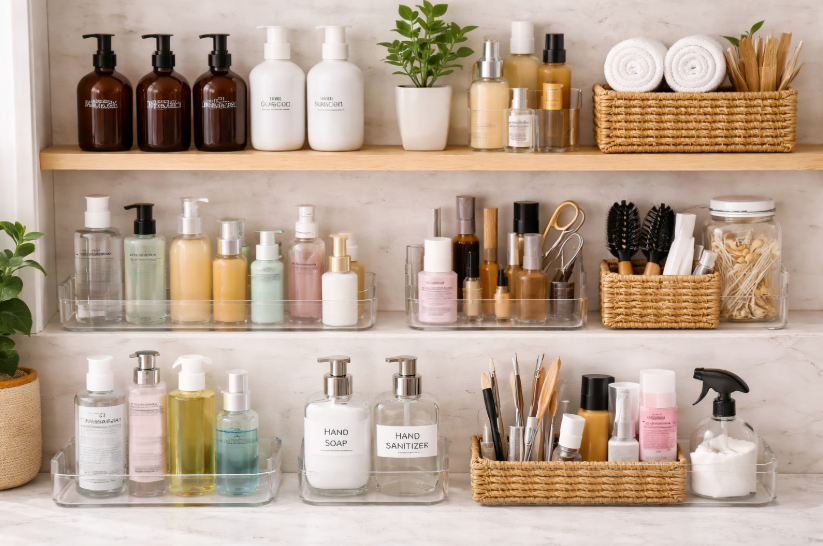
What-to-Do-with-Old-Salon-Products-Safe-Disposal-Tips-for-Skincare-and-Nail-Supplies-Organized-Space

Veron | Entrepreneur | The Way 4Word Enterprises
Buy Used Salon Equipment | A Guide To Finding High-Quality

Opening a salon or upgrading its equipment can be a significant financial commitment. Buying used salon equipment offers a smart, budget-friendly alternative.

High-quality secondhand tools and furniture can provide the same functionality as new items. Often, it’s at a fraction of the cost. However, some salon owners may hesitate due to concerns about durability, performance, or potential hidden issues.

The good news is that with the right approach, you can find reliable, professional-grade used equipment that meets your needs without breaking the bank.

This guide will walk you through the benefits, tips, and strategies for sourcing and evaluating used salon equipment to help you make informed decisions and create the salon of your dreams.

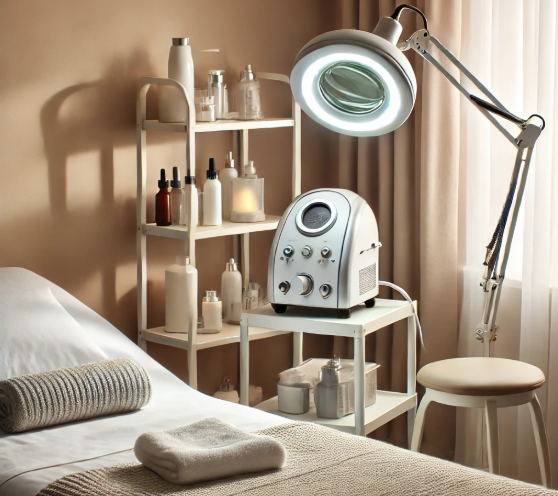
Buy-Used-Salon-Equipment-A-Guide-to-Finding-High-Quality-Esthetician-Space

Benefits of Buying Used Salon Equipment

Considering used salon equipment can be a game-changer for managing start-up costs or revamping an existing business. One of the biggest draws of buying pre-owned is the significant cost savings compared to purchasing new gear.

You often get professional-grade equipment at a fraction of the original cost, which helps stretch your budget without sacrificing quality.

Some individuals worry that used means worn out. However, quite often, you come across gear that’s been really well cared for. Salons sometimes upgrade to the latest models, leaving behind perfectly good tools that still serve well.

Essentially, you’re not just saving money but also contributing to environmental sustainability by reusing and recycling equipment.

Before jumping into purchases, it’s key to understand exactly what your salon needs. This means evaluating the types of equipment essential to your services, like chairs, stations, dryers, or spa tools.

Therefore, think about what’s critical now and what might be valuable as your business grows.

I recommend making a checklist to focus on must-haves and limit flashy impulse buys that could clutter your workspace. Consider future scalability too.

Moreover, investing a little time upfront in planning and priority-setting can save you from headaches later. This ensures that each item not only meets current needs but can also adapt with your business.

Discovering Reliable Sources for Pre-Owned Salon Gear

Furthermore, finding the right used salon equipment takes more than just a luck of the draw. Tapping into the right sources can make a huge difference in the quality and variety available to you.

First, exploring local options is a smart move. Check out salon closures, auctions, and estate sales in your area. They often have equipment in excellent condition.

Classified ads in local papers or community bulletin boards can also be goldmines for finding hidden gems. Sometimes, salons upgrade or change their style. As such, this leaves hardly-used tools and furniture behind at bargain prices.

Online platforms widen the net even further. Check out websites like:

  • eBay.
  • Also Craigslist.
  • And Facebook Marketplace.

They host a massive range of options. Also, keep an eye out on industry-specific sites. These often cater directly to beauty professionals, offering more reliable and high-quality choices.

Moreover, don’t underestimate the power of professional networks either. Connecting with fellow salon owners and beauty industry groups can lead to trustworthy recommendations.

People in the industry often have the inside scoop on where to find reputable sellers. And someone might just know an out-of-business salon selling off equipment.

Ensuring Equipment Quality and Smart Deals

When you’re scoping out used salon equipment, quality checks are non-negotiable. It’s crucial to inspect each item thoroughly to ensure it’s going to hold up in a busy salon environment.

Check for obvious signs of wear and tear, like dents or rust, but don’t forget to test practical functionality too. You want to make sure chairs adjust smoothly and dryers heat up efficiently.

Never skip testing mechanical components, electrical systems, or upholstery before buying. If possible, take time to:

  • Turn on each piece.
  • Listen for unusual noises.
  • And confirm it operates as it should.

It’s much harder to negotiate repairs once you’ve finalized a sale.

Getting service records or proof of maintenance can offer peace of mind. Sellers with nothing to hide are usually happy to provide this. So, it can be a good indicator of how well the equipment has been cared for.

Negotiating the price is also an art that can save you money. Begin with a fair offer based on your inspection and research. Mention any issues discovered during your check as leverage.

Additionally, understanding any return policies or warranties that might still be applicable can further safeguard your purchase.

Most importantly, always aim to finalize the deal in writing. A written agreement helps avoid misunderstandings later on. Clarify what has been agreed upon in terms of price, condition, and any warranties.

Documentation like this serves as your security net in business transactions.

Buy-Used-Salon-Equipment-A-Guide-to-Finding-High-Quality-Nail-Specialist-Space

Refurbishing, Personalizing, and Avoiding Pitfalls

Once you have your used salon equipment sorted, think about ways to refresh and personalize it to match your unique brand. Simple upgrades like reupholstering chairs or a fresh coat of paint can make a world of difference, both in appearance and client appeal.

Adding personal touches not only helps in aligning the equipment to your salon’s aesthetic but also helps reinforce your brand identity. Little customizations can give old tools a new life and set your space apart.

Decide whether you want to tackle refurbishing yourself or hire pros. DIY can be cost-effective and creatively rewarding. However, it might not be practical for everyone, especially with intricate repairs.

Balancing cost with professional results can often justify calling in experts for more complex tasks.

Spotting potential red flags during the buying process is crucial. For instance, avoid equipment that shows excessive wear or seems like it’ll need costly repairs soon.

Sellers hesitant to provide information or allow a full inspection could indicate trouble. Also, be wary of deals that seem unrealistically favorable.

Remember, weighing the pros and cons of buying used is vital for informed decision making. The savings, availability of quality gear, and environmental benefits are huge pluses.

However, consider the limitations, like potential hidden repair costs or lack of warranties, to avoid surprises.

With careful research and thoughtful evaluation, buying used salon equipment becomes not just financially smart but a wise business decision. Reach out and share your experiences with others, or explore more tips online to continuously refine your journey in the salon business.

Conclusion | Let’s Recap

Investing in used salon equipment can be a practical way to save money while still equipping your business with the tools it needs to thrive. You can confidently build a salon that looks and operates professionally by:

  • First, carefully assessing your needs.
  • Next, researching reputable sources.
  • And thoroughly inspecting items before purchasing.

Bear in mind, buying used may come with some challenges. However, the potential for significant savings and environmental benefits makes it a worthwhile option.

Therefore, take the time to:

  • Weigh your options.
  • Negotiate effectively.
  • And even personalize your purchases to align with your salon’s brand.

With these steps, you’ll be well on your way to creating a stylish, functional space without exceeding your budget. Start planning your next great salon upgrade today!

We’d love to hear from you! If you have any questions about buying used salon equipment or want to share your own tips and experiences, feel free to leave a comment below.

Let’s start a conversation and help each other create thriving, budget-friendly salons!

Veron | Entrepreneur | The Way 4Word Enterprises
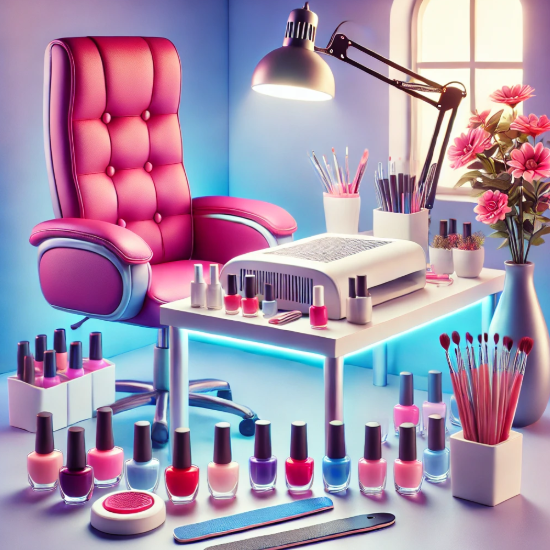
Beauty Salon Equipment | Buying On A Budget Without Compromise

Running a beauty salon comes with its own set of challenges, especially when it means keeping up with the latest equipment. Are you working with a tight budget?

Salon owners know that quality tools and furnishings are essential for providing top-notch services. However, staying within budget while maintaining these standards can feel like walking a tightrope.

Whether you’re just starting out or upgrading your current setup, finding cost-effective ways to equip your salon is essential. With a strategic approach, you can invest in durable, high-performing equipment that meets your needs without breaking the bank.

This guide will walk you through practical tips and solutions to help you buy beauty salon equipment on a budget, all while maintaining the professional standards your clients expect.

Beauty-Salon-Equipment-Buying-on-a-Budget-Without-Compromise-Electrologist-Room

The business demands don’t stop, and every purchase decision can impact your bottom line and the overall client experience. When investing in equipment, you may want to get the most luxurious items.

However, it’s essential to find the right pieces that offer durability and functionality. The goal is to enhance your salon’s appeal without draining your finances.

This article aims to address these challenges by offering practical advice on how to find quality salon equipment without blowing your budget.

You’ll find the insights needed to make budget-friendly choices without compromising on quality.

Essential Priorities | Focusing on Must-Have Salon Equipment

Getting the most out of your budget starts with understanding what equipment is absolutely necessary for your salon. This means drilling down into the core services you offer and identifying the tools that are non-negotiable.

For most salons, this list includes styling chairs, shampoo stations, and dryers—foundational pieces that keep the business running smoothly.

Similarly, investing in the right equipment is essential for estheticians, electrologists, and laser technicians to deliver effective and high-quality treatments. These include advanced facial steamers and magnifying lamps to professional-grade electrolysis machines and laser hair removal devices.

It can be tempting to go all out on fancy extras, but when you’re working within a budget, it’s crucial to differentiate between essentials and nice-to-haves. Consider what will genuinely benefit your clients and employees from the get-go, and save the luxury items for later.

Assessing your current inventory plays a big role in this process. Take a critical look at what you already own, and identify what really needs replacing versus what can continue to serve you well. If an item isn’t hindering your day-to-day operations, it might be worth holding onto for now.

In summary, prioritize purchases that directly impact client satisfaction and the efficiency of your services. Being strategic with your initial equipment purchases ensures a solid foundation for your salon. This sets the stage for future success without unnecessary financial strain.

Strategic Budgeting | Maximizing Value While Minimizing Costs

Once you’ve got a clear picture of your must-have equipment, the next step is setting a realistic budget. This means figuring out how much you can afford to spend on each piece without stretching your finances too thin. It’s all about smart allocation and making sure every dollar counts.

One strategy that can help is balancing immediate needs with long-term financial planning. Ensure the bulk of your budget covers essential items that directly contribute to your core services.

Remember, it’s not always about getting everything at once. Planning for upgrades and replacements over time helps manage the financial burden.

Another crucial aspect of budgeting is keeping track of expenses and planning for future costs like maintenance and repairs. This is part of understanding the total cost of ownership—it’s not just about the initial purchase price.

Therefore, it’s important to factor in how much it might cost to keep each piece of equipment in good working order over its lifetime.

Ultimately, taking a proactive approach to budgeting helps prevent unexpected expenses from throwing your finances off balance. It also ensures that you’re always ready to invest in your salon’s future.

Exploring Alternatives | Affordable Solutions for Quality Equipment

Stretching your budget often means being open to alternative purchasing options. One avenue to explore is secondhand and refurbished equipment. Specifically, these can offer substantial savings without necessarily sacrificing quality.

Just be sure to weigh the pros and cons. While the price might be right, it’s essential to ensure that any used equipment is still in good working condition.

Several reliable sources for secondhand equipment include:

  • Local auctions.
  • Salon closures.
  • And online marketplaces.

They can be a goldmine for high-quality, gently-used items if you’re willing to do a bit of homework.

For instance, always inspect used equipment thoroughly before committing. A checklist of critical components can help in evaluating functionality and wear.

Moreover, timing your purchases can also significantly impact your budget. Major discount events like Black Friday, end-of-year sales, or even industry trade shows can offer opportunities for great deals on new equipment.

Furthermore, being prepared to negotiate with suppliers during these events can also lead to additional savings.

Lastly, leasing and financing options present a way to access high-quality equipment while managing cash flow effectively. However, compare the terms of leasing versus buying outright. In addition, selecting a reputable financial provider can ensure that you’re making the most cost-effective decision for your salon’s needs.

With these strategies, maintaining a high-quality salon doesn’t have to mean compromising on your budget.

Conclusion | Let’s Recap

Equipping your beauty salon with the right tools doesn’t have to mean overspending or sacrificing quality. You can create a professional and welcoming space for your clients—all while staying within your budget by:

  1. Setting clear priorities.
  2. Exploring secondhand and leasing options.
  3. And focusing on versatile, durable equipment.

Remember, success in the beauty industry isn’t just about what you spend, but how wisely you invest.

With careful planning, a touch of creativity, and a focus on customer satisfaction, you can build a salon that reflects your vision and meets your clients’ needs without financial strain.

Start by exploring the tips in this guide and take the first step toward creating a thriving business without compromise. Take your salon to the next level!

I hope this article, “Beauty Salon Equipment | Buying On A Budget Without Compromise” was helpful. Please feel free to leave your comments and questions below. I will be happy to address them.

Veron | Entrepreneur | The Way 4Word Enterprises
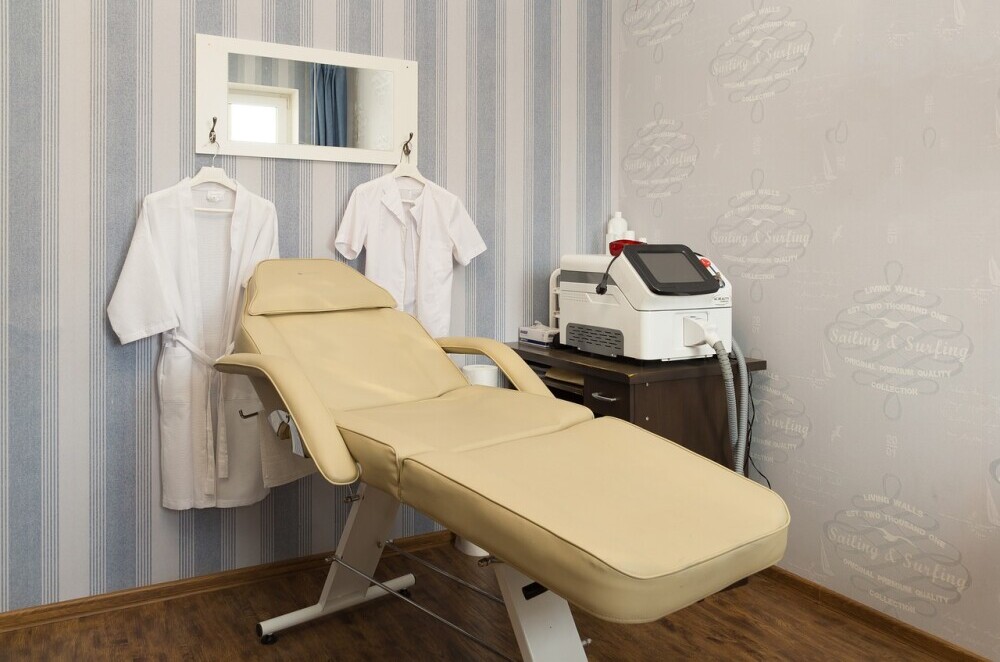
Nail Health Symptoms | Problems And Treatments

“Nail Health Symptoms | Problems and Treatments” shows how nail health is more than a matter of beauty. It’s a window into your body’s overall well-being.

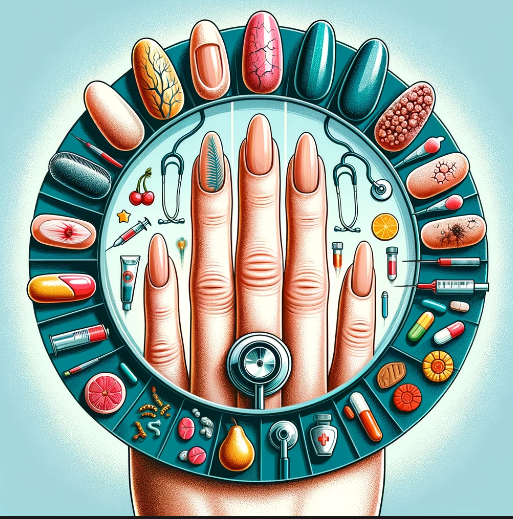
Nail-Health-Symptoms-Problems-and-Treatments-Symbols-to-Wellness

From revealing nutritional deficiencies to signaling more severe health conditions, the state of your nails can tell you a lot about your health.

This article highlights the importance of nail health, common problems and their causes, when to seek medical advice, and effective treatments and preventive measures.

Understanding Nail Health | Signs and Significance

Nails, though often overlooked, play a significant role in our overall health. A change in the color, texture, or shape of your nails can indicate underlying health issues that may require attention.

Introduction to Nail Health and Its Reflection of Overall Well-Being

Nails are not just a cosmetic feature; they’re an essential part of our body that reflects our general health. Healthy nails are usually smooth, without pits or grooves, and have a consistent color.

Any alteration in the growth, texture, or color of nails can suggest a range of health issues, from minor infections to serious diseases.

Common Symptoms of Unhealthy Nails to Look Out For

Several signs indicate unhealthy nails, including discoloration, brittleness, thickening, or changes in shape, and separation from the nail bed.

Splitting or cracking, and the presence of white spots or ridges, are also common signs that something might be off with your health.

The Importance of Early Detection in Preventing Further Complications

Early detection of these symptoms is crucial as it can help prevent further complications and severe health issues by addressing the root cause timely.

For instance, nail changes that are detected early can help diagnose systemic conditions like diabetes or heart disease at a stage when they are more manageable.

Common Nail Problems | Causes and Connections to Health

Nail problems can arise from various factors ranging from nutritional deficiencies to systemic illnesses. Here’s a closer look at some common issues:

Nail Discoloration and Potential Underlying Conditions: Nail discoloration can be a sign of various health issues.

Yellow nails may indicate a fungal infection, while nails that are white could suggest liver problems, and blue nails might be a sign of poor oxygen circulation.

Brittle Nails and Nutritional Deficiencies: Brittle nails are often a sign of aging or long-term exposure to water or chemicals.

However, they can also indicate nutritional deficiencies. A lack of vitamins, particularly biotin, iron, and zinc, can lead to weakened nails.

Fungal Infections: Recognizing the Signs: Fungal nail infections typically cause the nail to become thick, discolored, and more likely to crack and break.

The infections are more common in toenails and can spread easily if not treated properly. Therefore, recognizing these signs early can lead to more effective treatment.

The Impact of Lifestyle Choices on Nail Health: Lifestyle choices, including diet, smoking, and alcohol consumption, can significantly affect nail health.

For example, a diet lacking in essential nutrients can lead to weak, brittle nails. Additionally, excessive use of nail polish or regular exposure to chemicals and water can also damage nails.

  • Nail discoloration and potential underlying conditions
  • Brittle nails and nutritional deficiencies
  • Fungal infections: Recognizing the signs
  • The impact of lifestyle choices on nail health

Professional Insight | When to Seek Medical Advice

It’s essential to differentiate between cosmetic concerns and potential health issues.

Differentiating Between Cosmetic Concerns and Medical Issues

While many nail issues are cosmetic and can be addressed with proper care, some symptoms may indicate more serious health problems requiring professional evaluation.

The Role of Dermatologists in Diagnosing Nail Health Problems

Dermatologists specialize in treating skin, hair, and nail disorders. They are trained to diagnose and treat a wide range of nail conditions effectively, from fungal infections to psoriasis.

Red Flags: Symptoms That Warrant Immediate Medical Attention

Symptoms that warrant immediate medical attention include sudden nail thickening, severe discoloration, pain, swelling, nail separation from the bed, and the presence of red streaks or pus.

They can indicate serious infections or systemic diseases.

Effective Treatments and Preventive Measures

Treating nail problems often depends on the underlying cause. For instance, fungal infections may require antifungal medications, while nutritional deficiencies might be addressed through dietary changes or supplements.

Here are some effective treatments and preventive measures:

Home Remedies Versus Professional Treatments: Finding the Balance: For minor nail issues, home remedies like proper hydration, regular moisturizing, and dietary adjustments may suffice.

However, persistent or severe problems may need professional treatments. Knowing when to seek medical help is key.

Advancements in Nail Care Treatments: Recent advancements in treatments include more effective antifungal medications. For instance, laser therapy for fungal infections, and nutritional supplements like biotin can strengthen nails.

Tips for Maintaining Optimal Nail Health: Maintaining nail health involves regular care, such as keeping nails clean and trimmed, regular moisturizing, avoiding harsh chemicals, and wearing protective gloves when necessary.

Most importantly, a balanced diet rich in vitamins and minerals supports strong nails. Hydration is also important.

The Importance of Regular Check-Ups for Persistent Problems: Regular check-ups with a dermatologist are crucial for individuals with persistent nail problems.

Moreover, these check-ups can help monitor the effectiveness of treatments and adjust strategies as needed to ensure optimal nail health.

Conclusion | Nail Health Symptoms

The significance of nail health extends beyond aesthetics. Nails provide valuable clues to one’s health status.

For instance, nail abnormalities can be one of the first signs of systemic diseases such as lung and heart diseases, anemia, and diabetes.

Hence, understanding nail health and its broader implications on your overall well-being is crucial in maintaining good health.

Finally, you can maintain healthy nails and, by extension, a healthier body by:

  1. Paying attention to the signs and symptoms of nail issues.
  2. Also, adopting preventive measures.
  3. And seeking professional advice when necessary,

I hope you find value in “Nail Health Symptoms | Problems and Treatments.”

Consider the following:

  1. Have you ever noticed changes in your nail health, and what did they indicate about your overall well-being?
  2. Which of the nail health symptoms mentioned have you experienced, and how did you address them?
  3. How does your current lifestyle choices positively or negatively impact your nail health?
  4. Have you ever sought professional advice for a nail condition? What was the outcome?
  5. How do you prioritize nail health in your personal care routine?
  6. After reading about the connection between nail health and nutritional deficiencies, will you consider making any changes to your diet?
  7. What are your go-to home remedies for maintaining healthy nails, and have they been effective?
  8. Did the information on fungal infections change your perspective or habits regarding nail care and hygiene?
  9. Are there any preventive measures mentioned in the article that you’re not currently practicing but feel inspired to start?
  10. What is one new thing you learned about nail health from this article, and how will it influence your approach to nail care?

Please feel free to leave your answers to the questions, comments and questions below. I will be happy to address them.

Veron | Entrepreneur | The Way 4WordEnterprises

Professional Electrolysis Machines | Traditional to Digital

“Professional Electrolysis Machines | Traditional to Digital” looks at the transformation throughout the decades. Electrolysis is an older form of hair removal.

In fact, it is a revolutionary approach to permanent hair reduction. Individuals have been looking for ways to have smooth, hair-free skin. As such, electrolysis became an effective and long-lasting solution for many.

Additionally, progress has been made throughout the years moving from analog to digital machines. Hence, this amounts to greater efficiencies for all concerned.

First, let’s take a brief look at how electrolysis came about. Afterward, we’ll explore the journey to these cutting-edge digital devices.

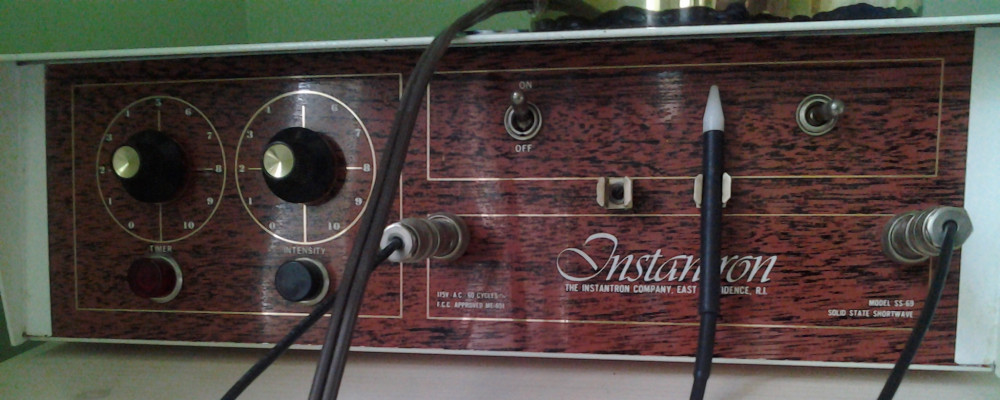
Professional-Electrolysis-Machines-Traditional-to-Digital-Traditional-Machine
Traditional Analog Electrolysis Machine

Electrolysis | A Revolutionary Approach

Dr. Charles E. Michel, an ophthalmologist, introduced electrolysis in 1875. Interestingly, this was his solution for ingrown eyelashes. And, this was a condition that some of his patients faced.

His initial invention included attaching a fine wire to a dry-cell battery. He used this to deliver a small electrical current to the hair follicle. Consequently, it disabled further hair growth as the root was destroyed.

Over time, different modalities came into being. The main ones are galvanic electrolysis, thermolysis or high-frequency electrolysis, and the blend. As indicated, this third method is a combination of the two previous ones.

All other hair removal methods are temporary. And, individuals have to continue repeating the process for as long as they desire to be hair free. Even laser hair removal, though quite effective, doesn’t offer a permanent solution.

In contrast, electrolysis is considered the only FDA-approved method of permanent hair removal. However, the process requires several sessions. And, it depends on a few factors in order to be effective.

These factors include the client’s hair type and how skillful and experienced the electrologist is. Of equal importance is the commitment to the treatment plan.

Furthermore, the hair cycle plays a critical part. The anagen stage is the most beneficial. This is the active growth phase where the follicle is more accessible. Subsequently, the process is long-term hair reduction.

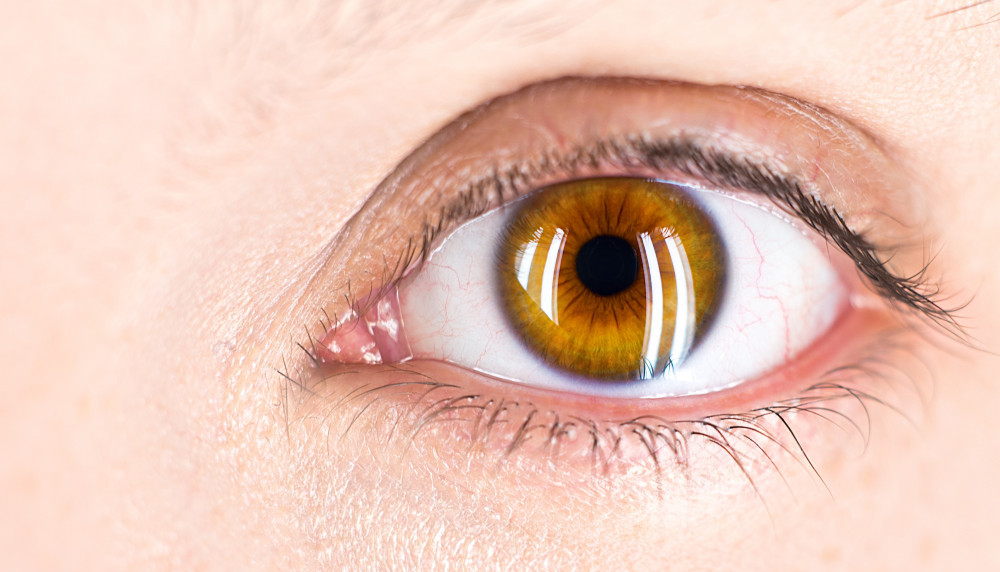
Professional-Electrolysis-Machines-Traditional-to-Digital-Eyelash

Electrolysis Machines | Traditional Analog

Machines have also evolved in addition to the development of various modalities. Initially, they were operated manually. This process involved some amount of guesswork. It was also a time-consuming procedure.

For example, traditional analog electrolysis machines relied on simple mechanical maneuvers. These mechanisms delivered the electrical current necessary for hair removal.

The electrologist inserted a fine probe into each hair follicle. Next, came the application of a low-level current. As a result, this caused a chemical reaction destroying the hair follicle.

Naturally, this method was effective for many years. Notwithstanding, there were several limitations. And, these saw improvements throughout the years.

Thankfully, the development of technology addressed these setbacks. And, the pioneers of hair removal technology evolved into what they are today.

Electrolysis | The Advent to Digital Machines

Subsequently, the electrolysis industry took advantage of technological advancements. As such, there was a significant shift towards digital electrolysis machines. These are highly sophisticated systems compared to the traditional ones.

The advanced controls, features, and ergonomic designs of professional electrolysis machines are more advanced. As a result, it ensures greater precision, safety, and comfort for technicians and patients.

Furthermore, these devices come equipped with microprocessors and software algorithms. Thereby, enabling precise control over current intensity, duration, and modulation.

It was therefore more efficient to customize clients’ treatment in accordance with essential factors. These include hair type, skin sensitivity and ethnicity, and treatment area.

Overall, technicians found it more comfortable to perform their services. For example, the machines are easier to hold. Likewise, long sessions are less intolerable due to the new ergonomic designs.

Digital Machines | The Overall Benefits

Here are key benefits as a result of transitioning from traditional to digital machines. So, let’s explore them.

  1. Advanced Techniques: These techniques allow more targeted and efficient hair removal. Furthermore, it has made a difference in difficult cases. Previously, these were particularly challenging for electrologists.
  2. Enhanced Precision: Also, this improved accuracy and consistent treatments. As a result, it reduces the risk of skin damage. And, allows a more effective hair removal process.
  3. Improved Safety: Some individuals experience discomfort during electrolysis treatment sessions. However, this concern is minimized due to improved safety measures.
  4. Increased Efficiency: Additionally, advanced settings and techniques allow treatments to be more customizable. And, this resulted in faster and more improved treatment.
  5. User-friendly Interfaces: Finally, these intuitive interfaces are easier to navigate. As such, electrologists can offer their clients a more pleasant experience and efficiency.

Conclusion | The Future of Digital Machines

Technology continues to advance and has great potential for further innovative developments. As such, the future of digital machines looks promising.

Furthermore, the transition of professional electrolysis machines from analog to digital has transformed the industry. Also, these changes are beneficial to both electrologists and clients.

They provide a greater level of comfort, ease of operation, and precision. Most importantly, this offers less potential injury to the skin in addition to a safer environment.

Electrolysis previously had advantages over other hair-removal methods. But, these advancements have provided even more advantages. For example, all other methods are not as long lasting in their applications.

Other methods such as shaving, tweezing, waxing, and depilatory creams offer short-term results. In addition, laser hair removal is less effective, especially with certain hair types.

Who knows what’s next for the hair removal industry? And, how will electrolysis machines further evolve? One thing that seems certain is electrolysis will continue to be around for many more years to come. We’ll just have to see.

Are you an electrologist, dermatologist, or someone who has used hair removal techniques? Perhaps, you have considered getting electrolysis treatment but didn’t know where to start.

The first step is to consult one of the specialists mentioned above. They will do a thorough consultation with you to determine where you need to begin. Additionally, they will make referrals where necessary.

I hope you find value in “Professional Electrolysis Machines | Traditional to Digital.” Please feel free to leave your comments and questions below. I will be happy to address them.

Veron | Entrepreneur | The Way 4WordEnterprises